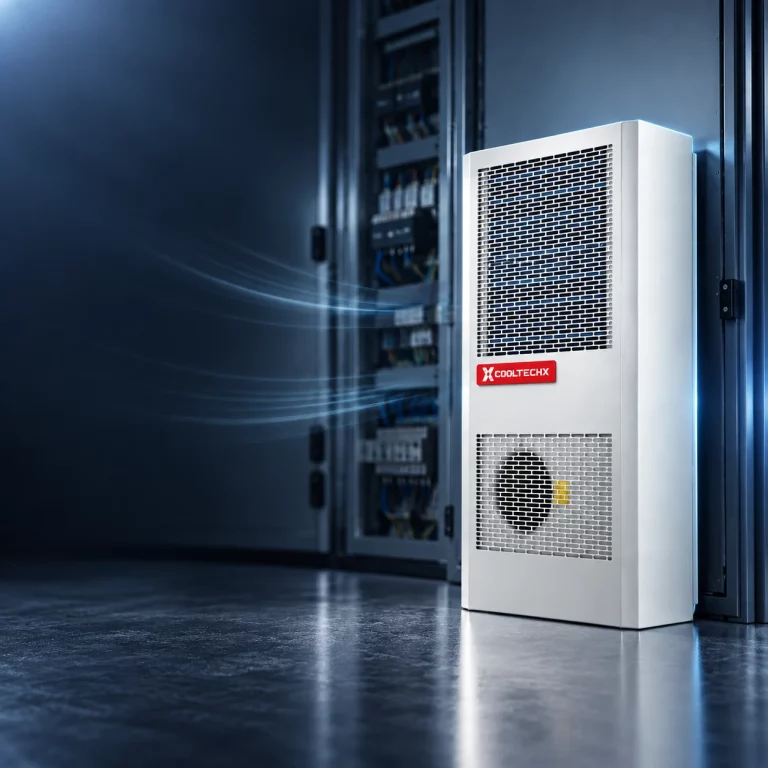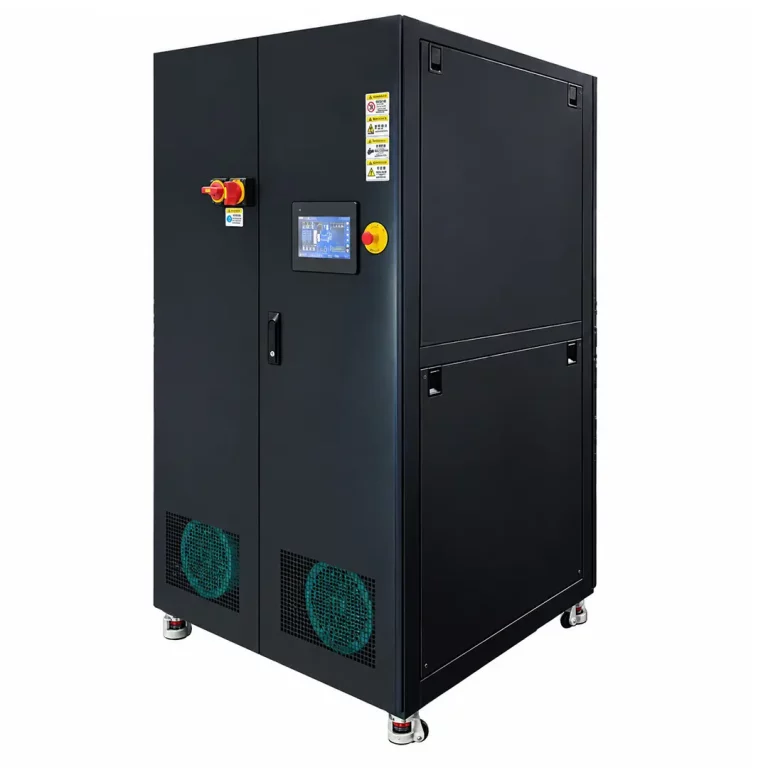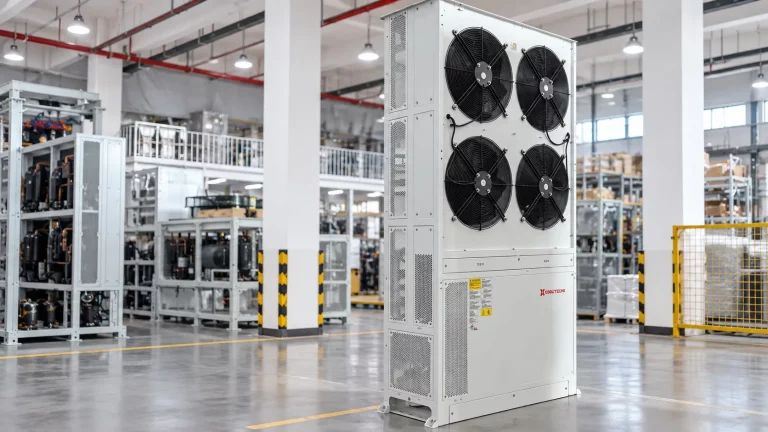

Electrical enclosures protect controls, drives, power supplies and communication equipment, but that protection can also limit the way heat leaves the cabinet. When the equipment inside produces more heat than the enclosure and its installation environment can dissipate, a thermal-management decision is required. In many projects, that means evaluating an electrical enclosure air conditioner rather than relying on cabinet size alone.
Active cooling is not automatically the right answer for every enclosure. The useful question is whether the expected internal heat load, site conditions and required operating stability can be handled by passive ventilation or another method. The five signs below help engineering teams decide when to investigate active cabinet cooling and what information to collect for a meaningful quotation.
1. The equipment heat load is greater than passive heat removal
Drives, power electronics, controllers and power supplies release heat while they operate. An enclosure may have vents, fans or a heat-exchanger arrangement, but those methods depend on the difference between the internal and external conditions. If the available passive heat removal is not sufficient for the equipment load and the intended operating condition, an actively cooled solution may be needed.
Begin with the component heat-load information and the expected operating condition rather than a nominal cabinet dimension. Our cabinet air conditioner sizing guide explains the inputs normally used to start that calculation.
2. The surrounding ambient condition is demanding
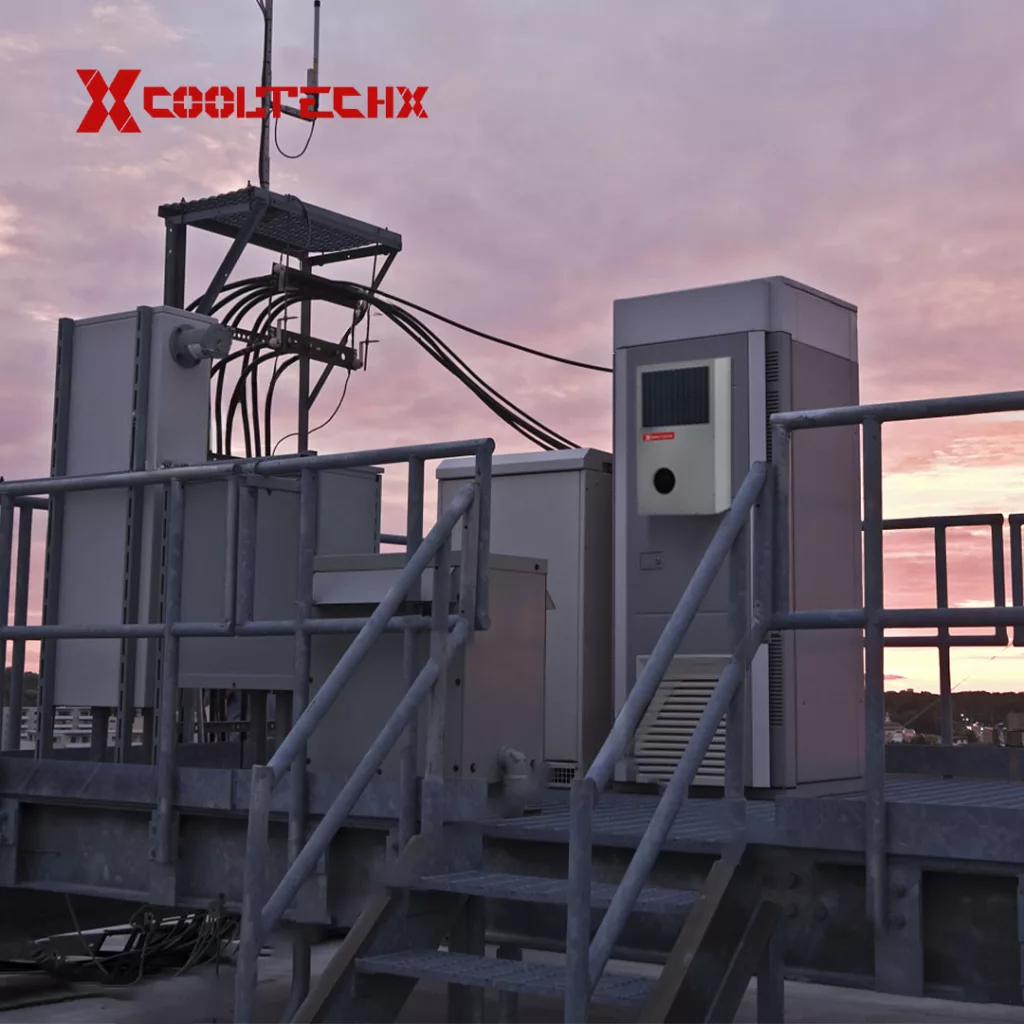
Outdoor placement, a hot production area, solar exposure, restricted air circulation or seasonal changes can all alter the condition around an enclosure. The same cabinet can need a different cooling approach at two sites because the site condition is part of the thermal problem. Record the expected ambient range, exposure, clearance around the cabinet and whether the unit is indoors or outdoors before selecting equipment.
3. The enclosure must remain closed to protect the equipment
Opening an enclosure or bringing uncontrolled outside air into it may not be appropriate where dust, moisture, oil mist or other site contaminants are a concern. In these cases, the cooling approach must be considered together with the enclosure design and the actual environment. Do not assume that every cooling method offers the same separation between the enclosure interior and the site air; confirm the construction and installation requirements for the selected model.
4. The required electrical supply or installation format is constrained
Projects differ in available supply, installation space and service access. Some applications are evaluated around DC power, while others use AC supply. Door, side-wall, roof or other mounting arrangements also affect the final selection and the required cutout. For an early comparison of supply options, see DC vs AC cabinet air conditioner: best-use cases.
5. Temperature-related interruptions are becoming an operating risk
Intermittent alarms, operating changes during warm periods, or repeated service attention can be signs that the enclosure’s thermal conditions need review. They are not, by themselves, proof that an air conditioner is the answer. Check the equipment manufacturer’s allowable conditions, actual heat load, airflow paths, ambient condition and enclosure arrangement before assigning a cause or selecting a unit.
What to prepare before requesting a cabinet cooling recommendation
| Project input | Why it matters |
|---|---|
| Equipment heat load and operating profile | Sets the cooling duty to evaluate. |
| Ambient condition and installation location | Defines the external condition around the enclosure. |
| Cabinet dimensions, layout and available mounting surface | Helps confirm installation feasibility and airflow arrangement. |
| Available power supply | Determines whether AC or DC options should be considered. |
| Site exposure and contamination concerns | Guides enclosure and installation requirements. |
| Preferred controls, alarms or communications | Lets the supplier confirm model-specific options rather than making assumptions. |
Choose the cooling method after defining the project
Electrical enclosure cooling is a system decision, not simply a product-size decision. Once the project inputs are clear, you can compare applicable cabinet air conditioner solutions and confirm the documented operating points, installation drawing and model options. If you are comparing cooling technologies, our guide to compressor vs thermoelectric cabinet cooling provides a useful starting point.
Need help defining the inputs? Send your enclosure drawing, heat-load information and site conditions to Cooltechx for a project-specific discussion.