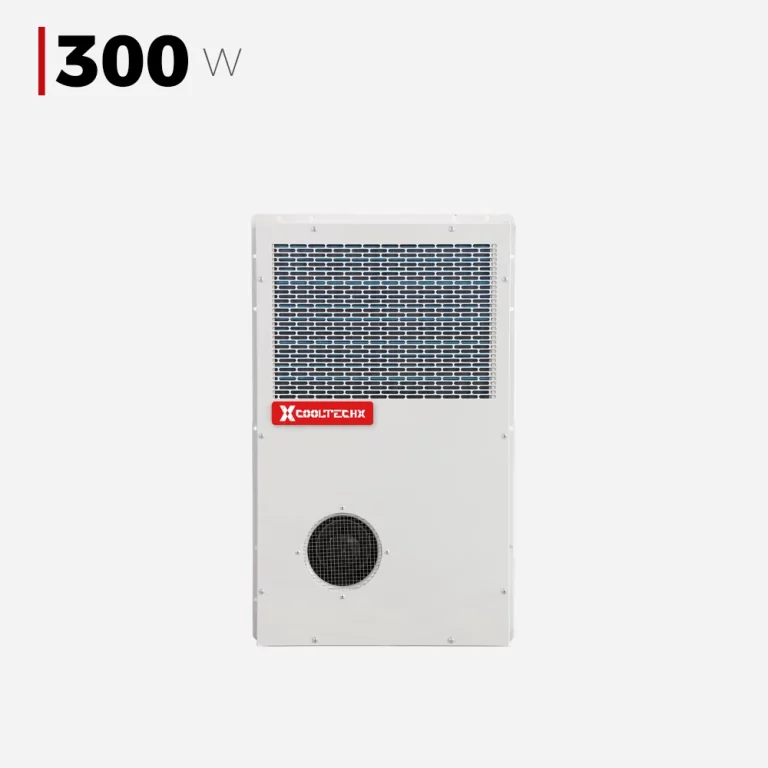
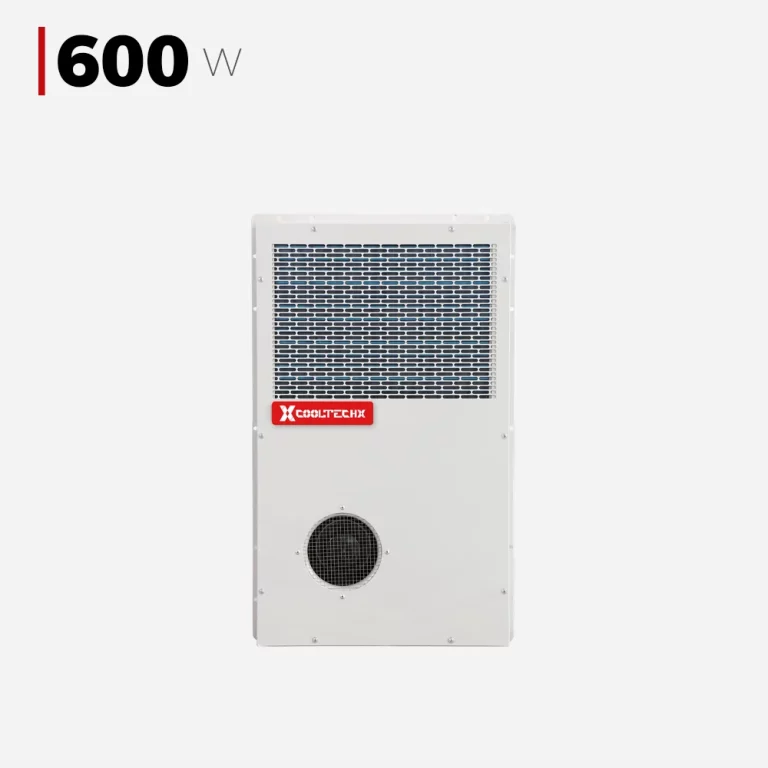
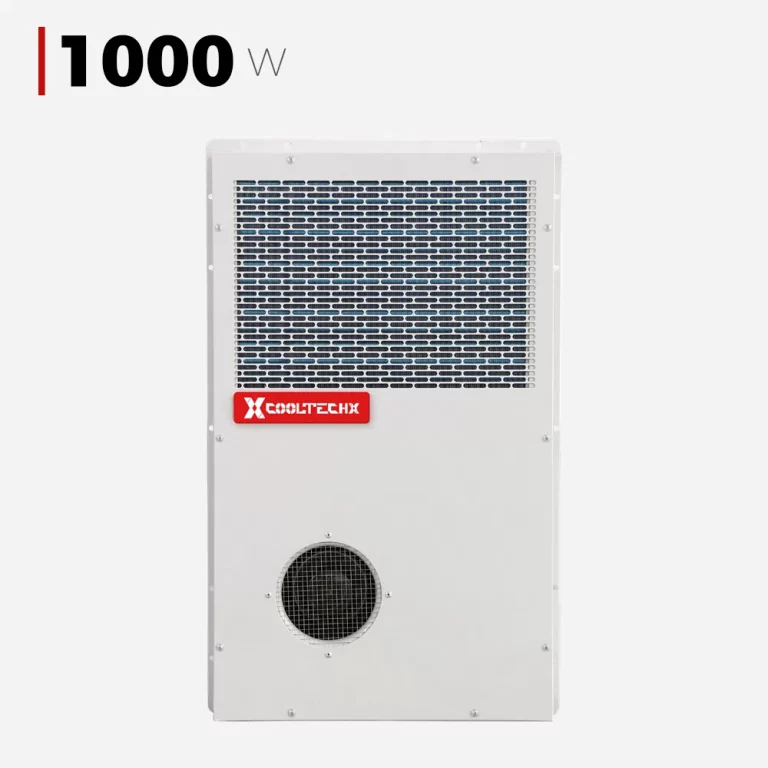
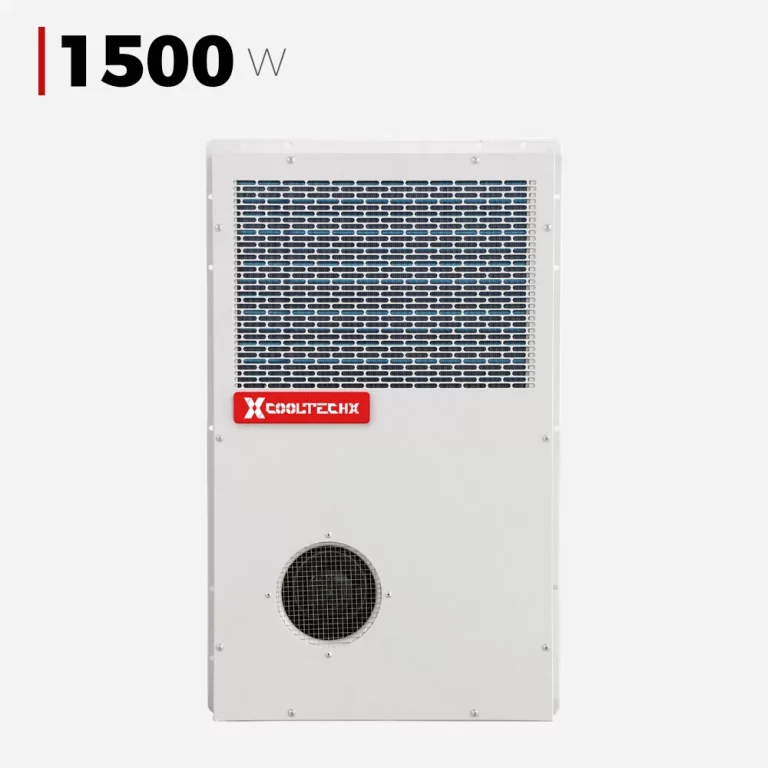
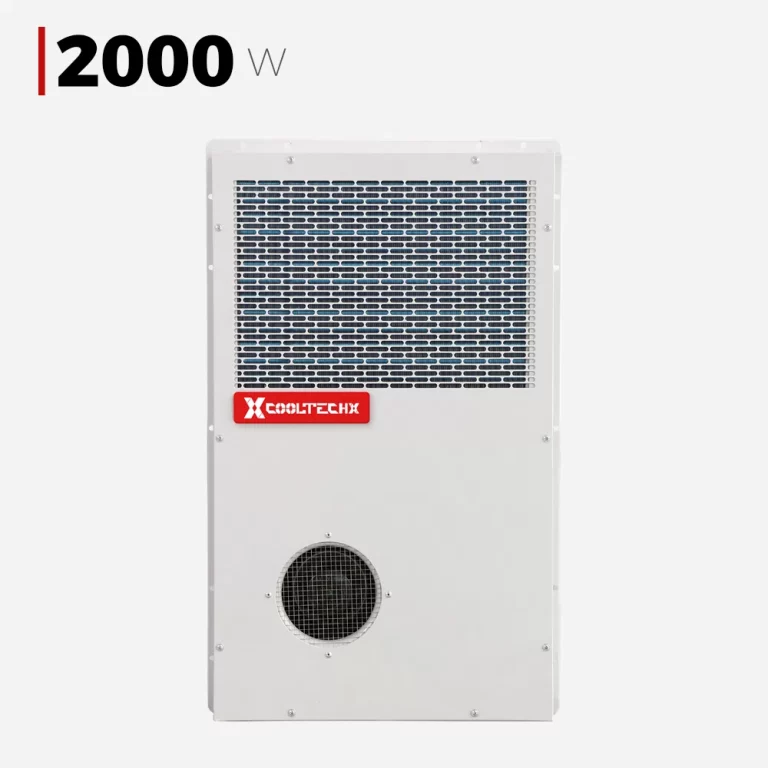
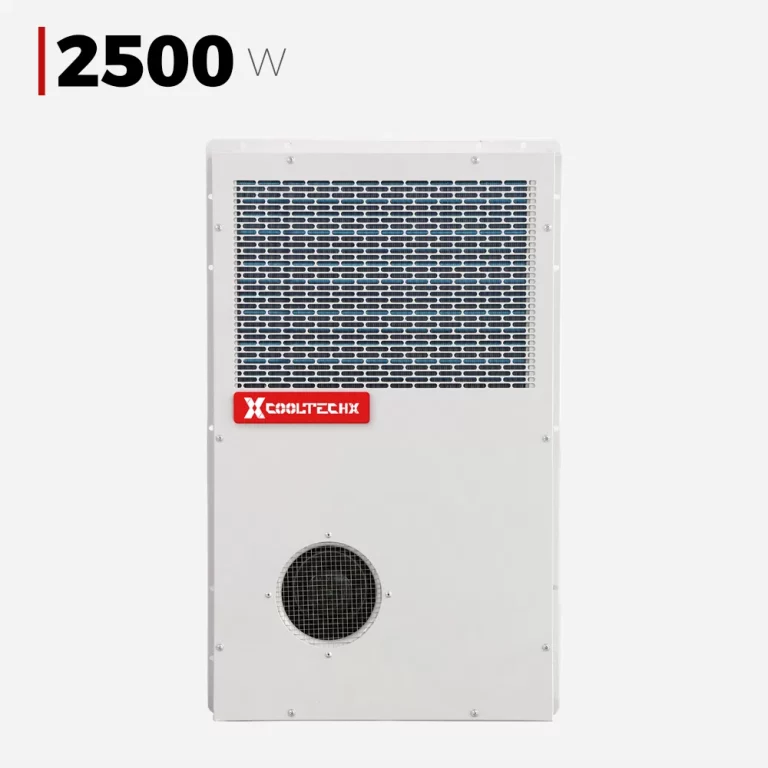
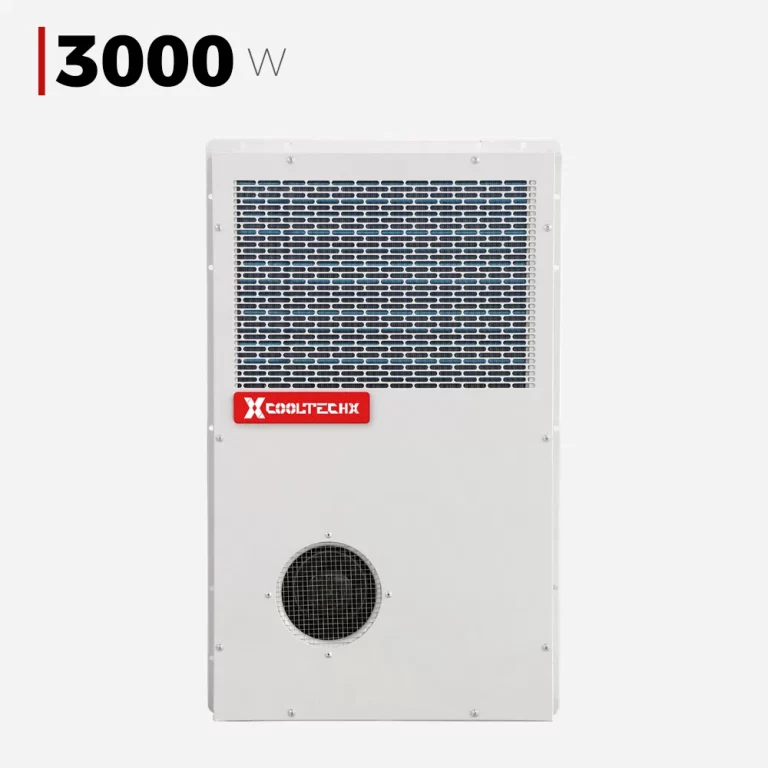
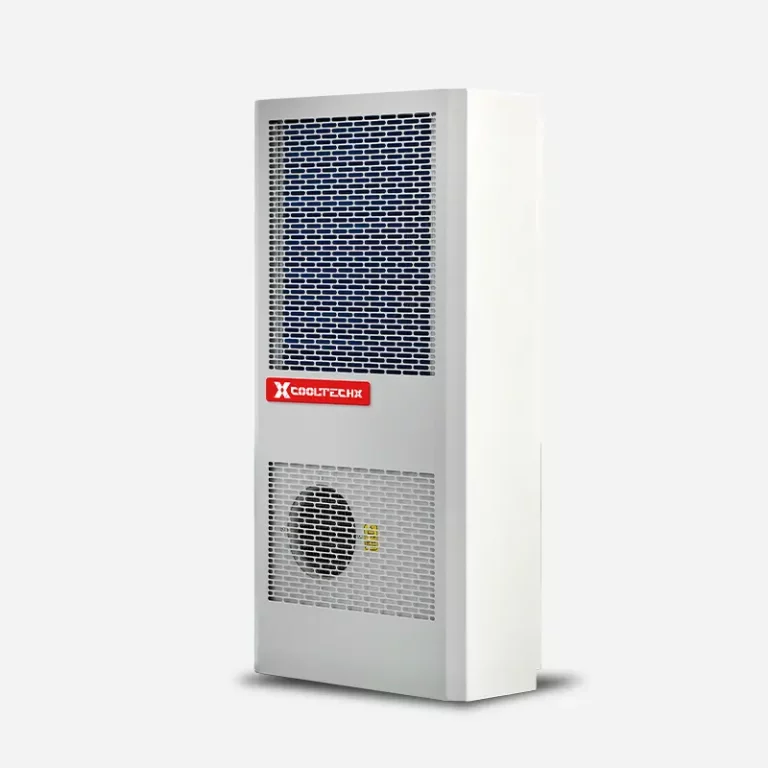
Cooltechx telecom cabinet air conditioners bring dedicated cooling to communications equipment in the field. Choose CTACT AC cooling or explore our CTDC direct-current cabinet air conditioners to match the power available at your site.
The CE-certified CTACT range serves communications cabinets where AC power is available. Its semi-embedded installation provides a cooling option for outdoor telecom enclosures.
Direct-current cabinet cooling
CTDC supports projects built around a DC supply, including 48V DC applications. Discuss your cooling duty, site power and cabinet layout; online models are a starting point.
Telecom Cabinet Air Conditioner Selection
What to Share With Us
Communications equipment losses
Site ambient and solar exposure
Available AC or DC power
Cabinet layout and mounting drawing
Alarm and communication requirements
Service access and operating duty
01. Define the Cabinet Heat Load
Identify the heat released by communications and power equipment inside the cooled space. Include batteries only when they are part of that same cooling area, and confirm the required cabinet temperature.
02. Check Power & Mounting
Check the available AC or DC supply and the space for installation. Use the selected unit’s drawing to review the opening, air paths and service clearance.
03. Plan Monitoring & Service
Specify the site temperatures, sun exposure and monitoring requirements. Confirm the selected model’s alarms and communication interfaces against the site control system.
Choose around the electrical supply available at the site. CTACT provides an AC-powered route; CTDC provides direct-current cabinet cooling, including 48V DC applications.
The online models are a starting point, not the full limit of our direct-current cooling capability. Send your heat load, DC supply and installation requirements to discuss your project.
Describe the alarms, communication interfaces and site control requirements you need. These should be checked against the chosen cooling configuration.
Share the equipment heat load, cabinet drawing, site temperatures and available power. Include access for maintenance and any certification or monitoring requirements.
Discuss Your Telecom Cooling Project
Share your site power, cabinet drawing and equipment heat load. We will help you plan an appropriate cooling configuration.