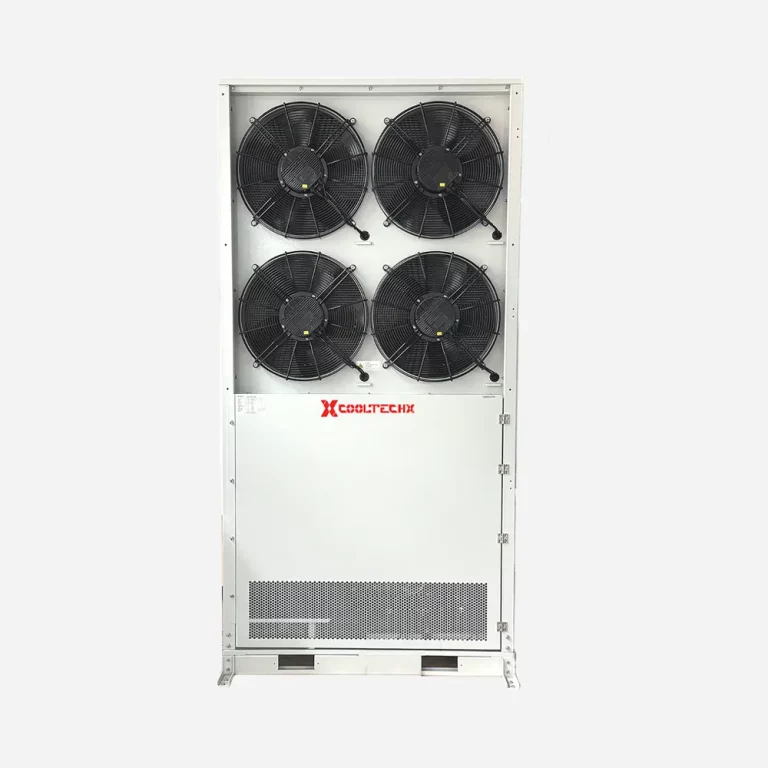
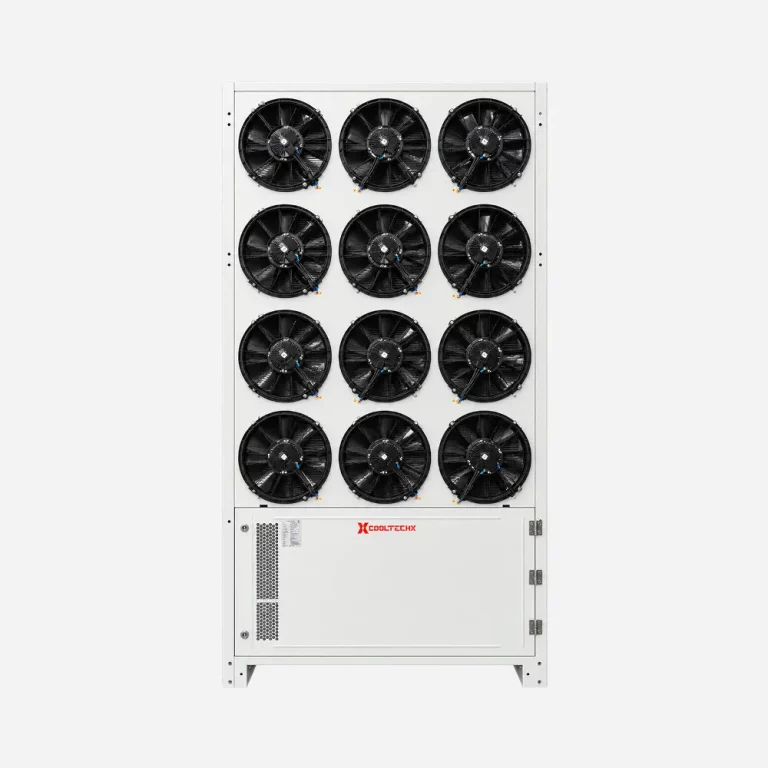
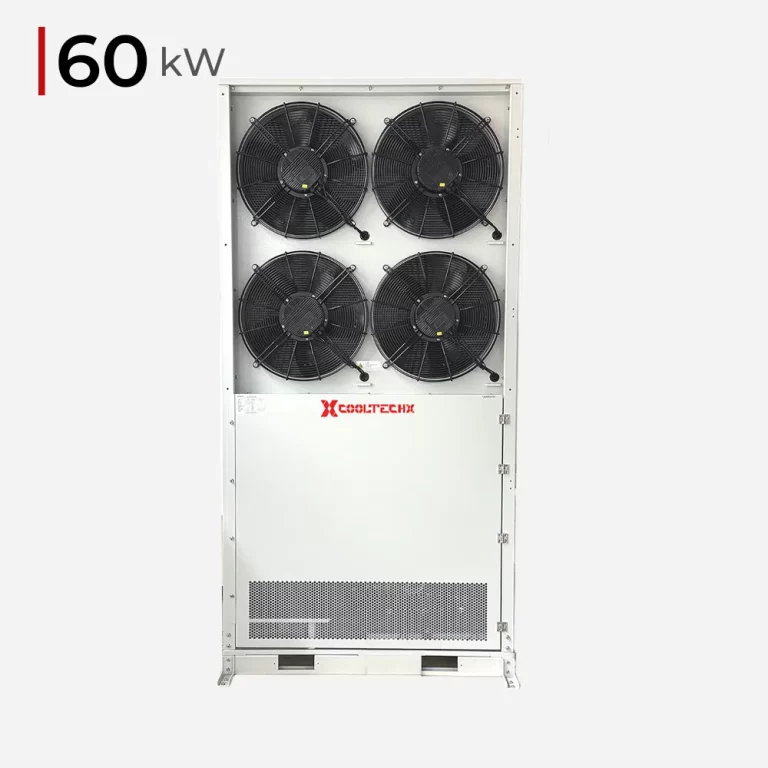
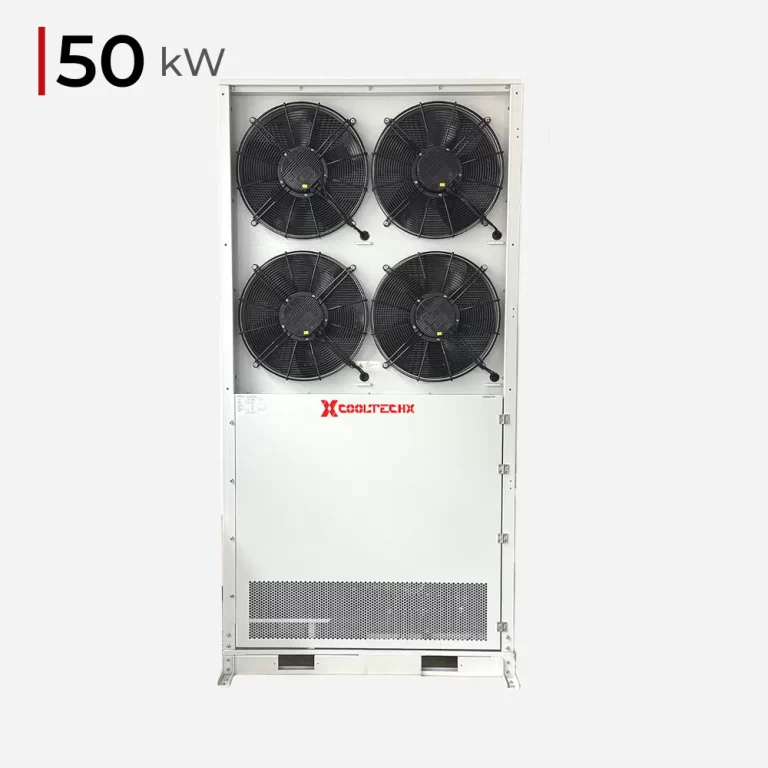
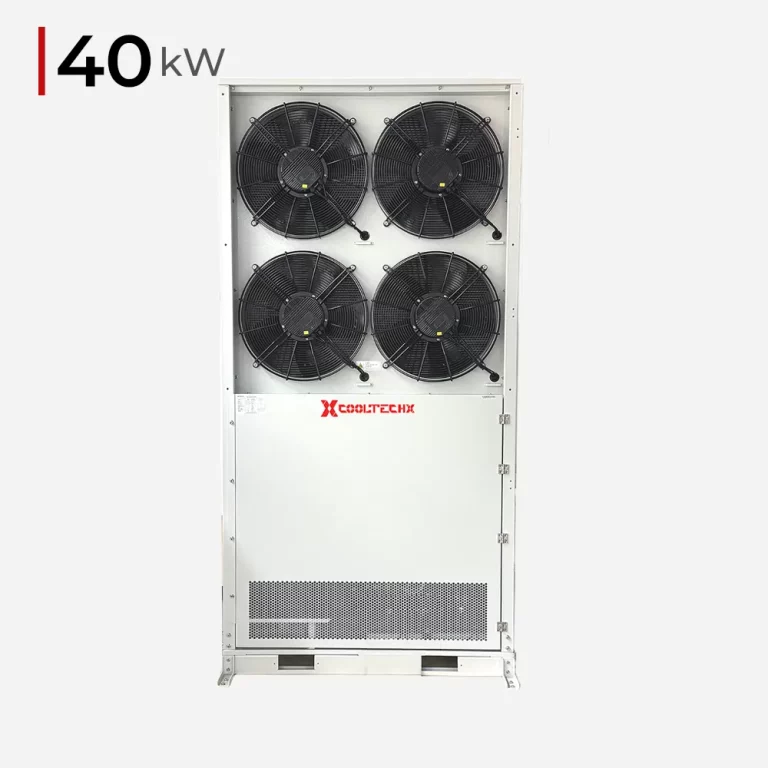
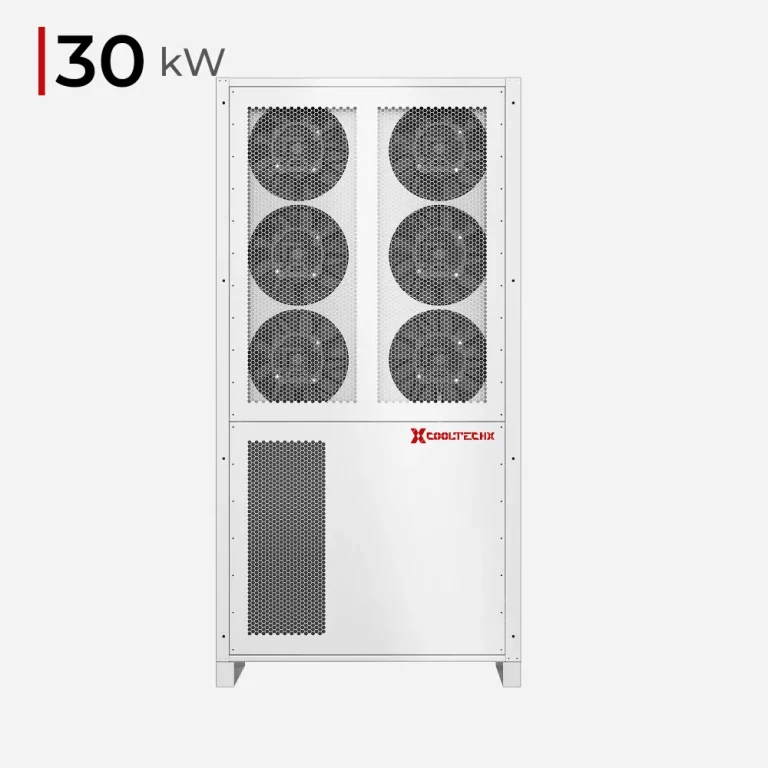
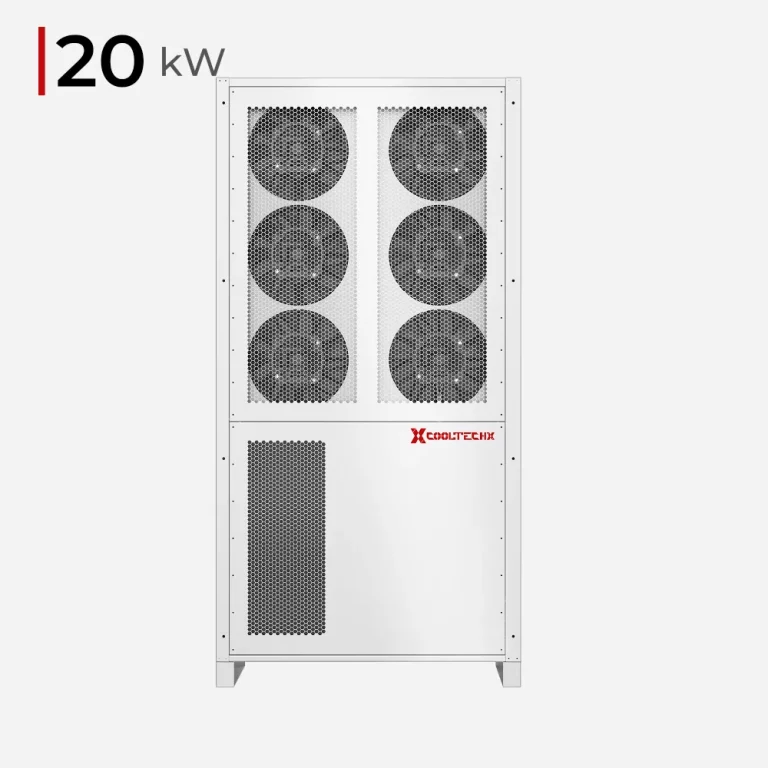
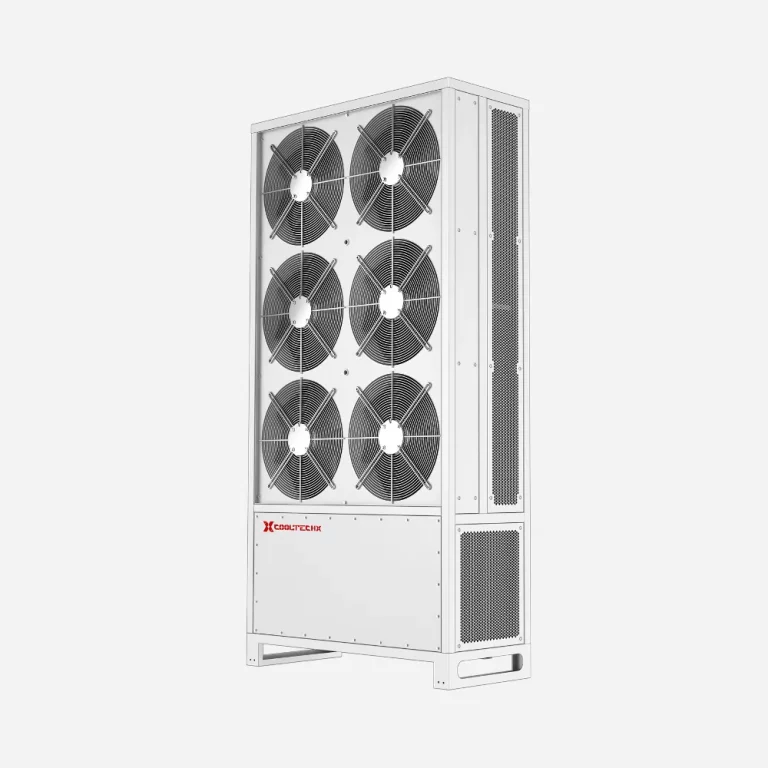
Liquid-cooling equipment for containerized, utility-scale battery energy storage projects, selected around battery heat loads, site conditions and the required coolant-loop architecture.
Battery heat-load profile, charge/discharge duty and design ambient
Stored energy in MWh does not determine the cooling kW.
Cooling loops
PACK, PCS and other liquid-cooled loads; required separation
Temperature and control requirements may differ between connected loads.
Rating point
Coolant supply/return temperatures, flow and ambient
Compare chiller performance at a common operating condition.
Container integration
Piping routes, unit location, transport and service access
Coordinate cooling equipment with the complete container design.
Operation
Controls, alarms, freeze-protection scope and service strategy
Define site responsibilities and model-specific capabilities.
Utility-Scale BESS Liquid Cooling Selection Guide
Build a comparable cooling brief from the real operating conditions and installation layout.
Project input checklist
Container and battery-system drawings
Battery heat load and operating duty
Site ambient and coolant design conditions
PACK / PCS loop boundaries and hydraulics
Power, controls and communication
Maintenance access and operating strategy
01. Define the Container Cooling Duty
Calculate the battery-system heat load across the planned duty cycle and design site conditions. State any separate PCS or auxiliary cooling requirement.
02. Choose the Loop Architecture
Document coolant, flow, allowable pressure drop and supply/return temperatures. Use separate circuits only where the connected loads and controls require them.
03. Plan Container & Site Integration
Review installation position, piping and electrical connections, monitoring, service access and the agreed availability strategy.
Separate circuits may be appropriate when the loads need different temperatures, flow or control conditions. Confirm each subsystem before specifying a dual-circuit arrangement.
No. Project scale and installation format are separate considerations. Use the actual system scope, site application and thermal requirements when selecting equipment.