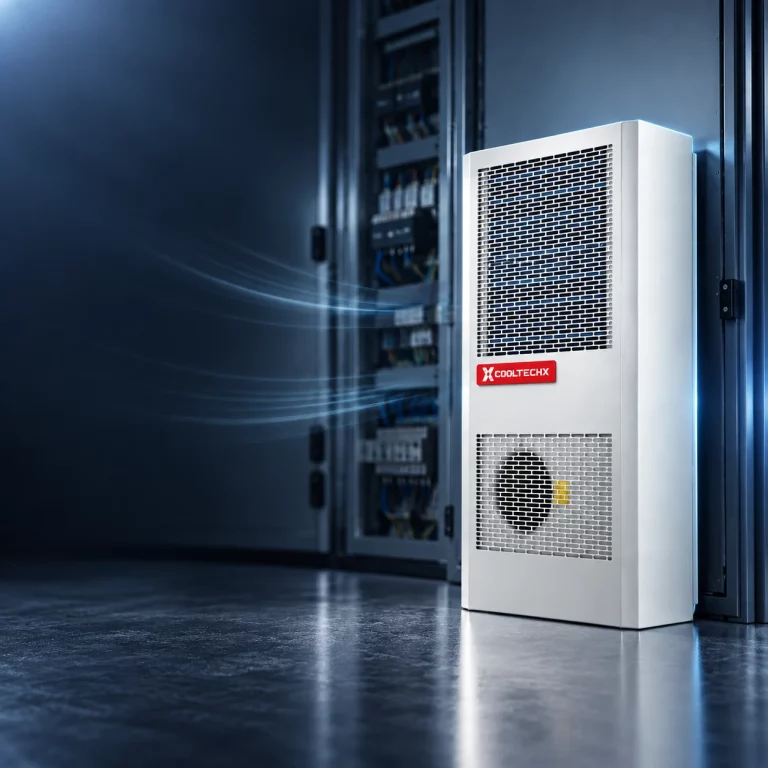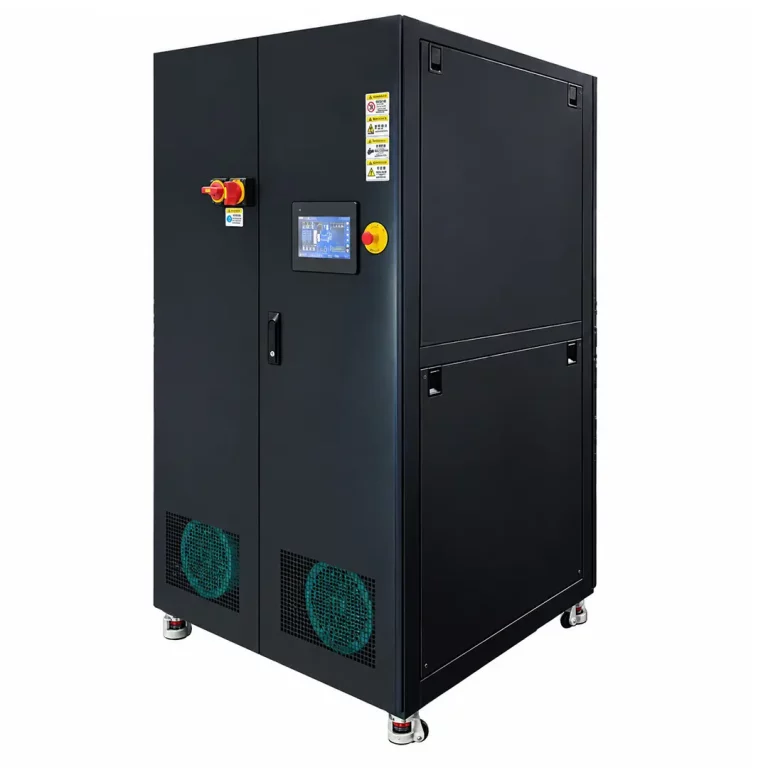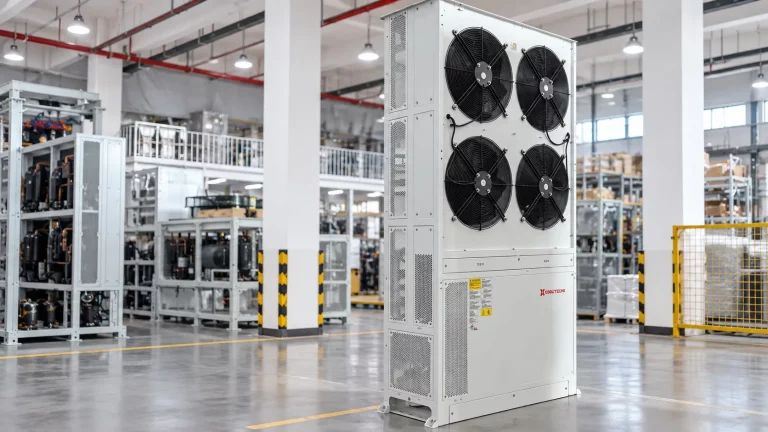

Quick answer: Air conditioners for telecom enclosures should be selected around the cabinet heat load, design ambient conditions, installation layout, available power supply, control requirements and service access. There is no single cooling capacity or protection level that is correct for every telecom cabinet.
Telecom enclosures may house power equipment, radio equipment, batteries, rectifiers and communications hardware. Each project should establish its actual operating conditions before a cooling configuration is confirmed.
1. Start with the cabinet heat load
The first selection input is the heat generated by the equipment inside the enclosure. Collect the heat dissipation of installed equipment, expected loading conditions and whether future equipment expansion is planned. Also account for heat entering the cabinet through its enclosure, solar exposure and openings where relevant.
A nominal equipment label alone is not a final cooling requirement. The usable cooling capacity of an enclosure air conditioner changes with the required indoor condition and the site ambient condition. For a practical sizing process, see How to Size a Cabinet Air Conditioner.
2. Define the real site ambient and exposure
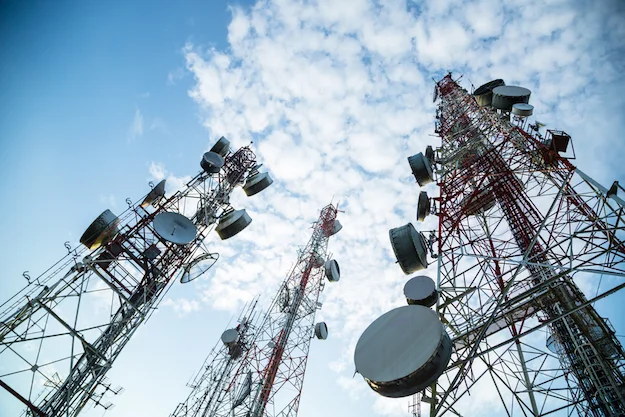
Outdoor telecom sites can face high or low ambient temperatures, direct solar exposure, dust, rain, humidity, salt-laden air and altitude. These conditions affect both the enclosure and the cooling equipment. Include the project design ambient range and any special exposure requirements in the RFQ instead of relying on a generic “outdoor” description.
- Location and design ambient temperature range
- Solar exposure and whether shading is available
- Dust, rain, humidity or coastal-corrosion conditions
- Indoor or outdoor installation, and the enclosure protection target
Required enclosure protection, coatings and component specifications should be confirmed against the actual site requirement and the selected equipment documentation.
3. Confirm cabinet layout and installation
Cooling performance also depends on where the unit is installed and how air moves inside the enclosure. The mounting surface, usable dimensions, internal equipment arrangement, cable routing, door openings and available clearances should be reviewed together. The objective is to deliver conditioned air through the cabinet without creating short circulation paths or obstructing maintenance access.
Provide cabinet drawings, dimensions and photos where possible. This allows the equipment supplier to evaluate mounting feasibility and identify questions before production or installation.
4. Match the power supply and controls to the site
Telecom projects may have different available power supplies and monitoring requirements. Confirm the site input power, frequency where applicable, grounding requirement and whether alarms or a communications interface are required. If a DC-powered cabinet air conditioner is being considered, review the operating trade-offs in DC or AC Cabinet Air Conditioner: Pros, Cons and Best Use Cases.
Do not assume that every unit supports the same alarms, controller settings or communications protocol. These should be specified and verified model by model.
5. Plan maintenance and service access
For unattended or distributed telecom sites, access for inspection and service is part of the selection decision. Define who will maintain the enclosure, how technicians will reach the installation position and whether there are any site restrictions on service time. This helps determine the appropriate service arrangement and the information to include in project documentation.
What to include in a telecom enclosure cooling RFQ
- Cabinet drawing, dimensions and internal layout
- Equipment heat load and expected operating condition
- Site location, ambient range and environmental exposure
- Available power supply and required control or alarm functions
- Preferred installation position, clearances and service constraints
- Required documents, tests or project-specific compliance requirements
Explore cabinet air conditioner options
Review the current cabinet air conditioner range to see the available configurations. Final selection should always be based on the project operating point and the selected model’s documentation.
Need help defining the selection inputs? Contact Cooltechx with your cabinet drawing and site conditions for a project discussion.
FAQ
How do I choose cooling capacity for a telecom enclosure?
Start with the internal heat load, design ambient condition, cabinet construction, installation arrangement and required indoor operating condition. Then confirm the applicable capacity from the selected equipment documentation at that operating point.
Can every cabinet air conditioner be used for outdoor telecom enclosures?
No. Outdoor exposure, installation arrangement, available power and project requirements must be checked against the selected model and the cabinet design.