
In the ever-evolving landscape of data centers, the pursuit of optimal power performance is crucial. This article explores advanced technologies, particularly Digital Signal Processing (DSP) technology and active input power factor correction design, and how they achieve superior output voltage conditions, power quality, and consistent power performance within compact spaces.
Unveiling DSP Technology in Data Center Power Design
https://en.wikipedia.org/wiki/Digital_signal_processing
Delving into the core of power optimization, this section elucidates the role of DSP technology in the design of data center equipment. From enhancing efficiency to mitigating voltage fluctuations, DSP technology is considered a disruptive force.
Key Takeaways:
– DSP technology in data center power design
– True double-conversion technology ensuring high performance
– High power factor: 0.9-1.0
– Active power factor correction in all phases in 50Hz/60Hz frequency converter mode
– ECO mode operation for energy saving
– Emergency power-off function (EPO)
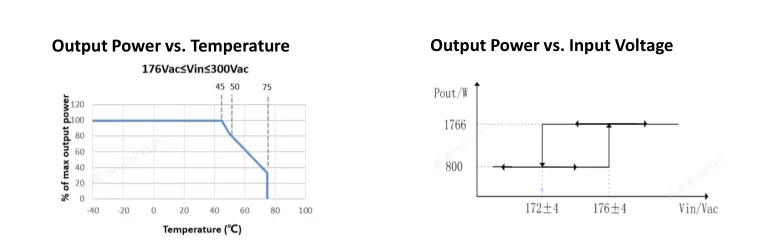 Active Input Power Factor Correction: A Paradigm Shift
This segment highlights the significance of active input power factor correction design. By ensuring better power factor conditions, data centers achieve improved energy utilization and a reduction in wastage.
Key Takeaways:
– Active input power factor correction design
– High power factor: 0.9-1.0
– Active power factor correction in all phases in 50Hz/60Hz frequency converter mode
Small Footprints, Big Impact: Redefining Space Efficiency
Here, we explore how the design philosophy of small footprints contributes to space efficiency in data centers. The intersection of compact design and DSP technology creates a synergy that transforms power infrastructure.
Key Takeaways: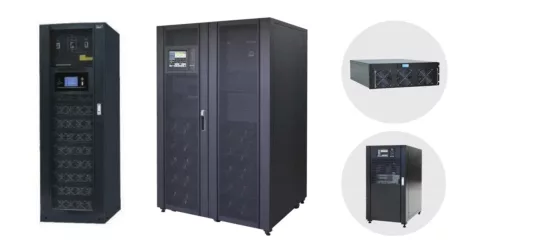 – Designing for small footprints in data centers
– Synergy of compact design and DSP technology
– DSP technology
– Active input power factor correction
– Power performance
– Data center power quality
– Small footprints in data centers
– Space-efficient power design
– Data center voltage regulation
– Energy utilization optimization
– True double-conversion technology
– High power factor
– Emergency power-off function (EPO)- ECO mode
Ensuring Consistent Power Quality: A Cornerstone of Performance
The final section emphasizes the critical role of DSP technology and active input power factor correction in maintaining consistent power quality. The article concludes by reinforcing the importance of these advancements for sustained data center performance.
Key Takeaways:
– Consistent power quality in data centers
– Importance of DSP technology and power factor correction
As we navigate the dynamic landscape of data centers, the optimization of power performance becomes not just a necessity but a strategic advantage. Embracing these advanced technologies positions data centers at the forefront of efficiency, reliability, and environmental responsibility. The journey towards an empowered data center future continues, fueled by innovation and a commitment to excellence.
Sales: Hans