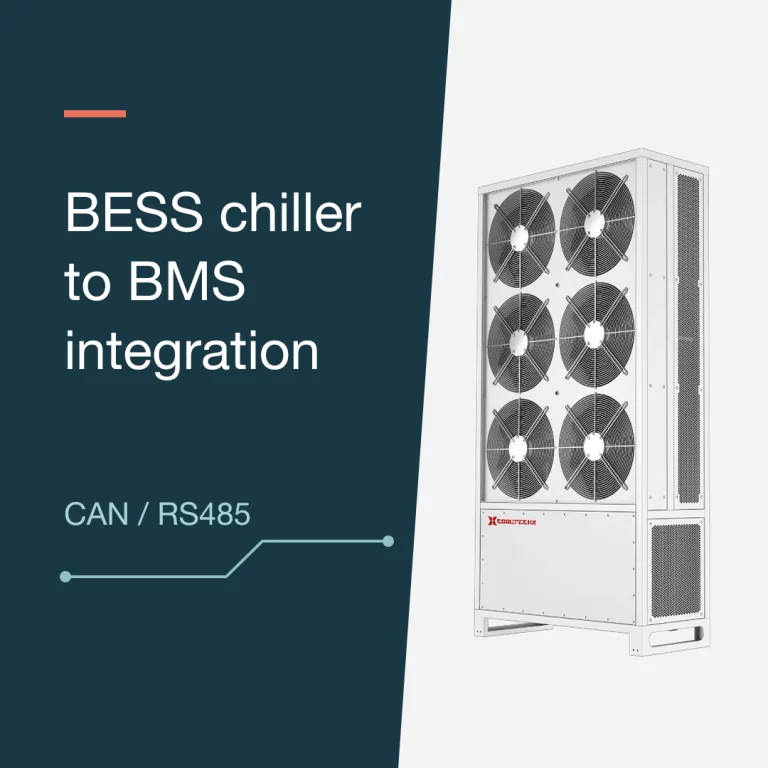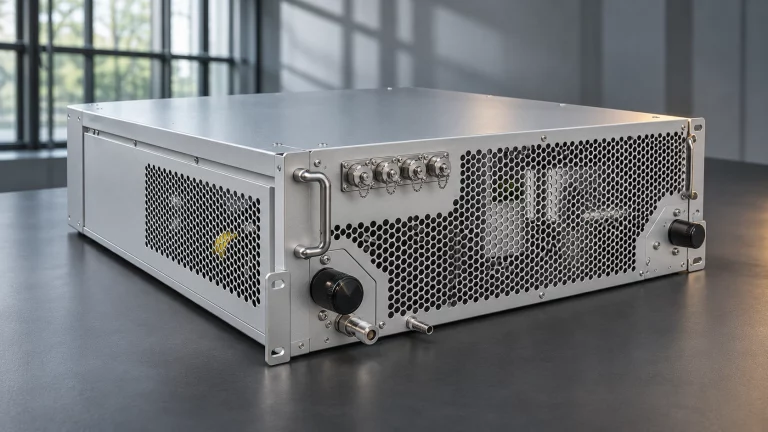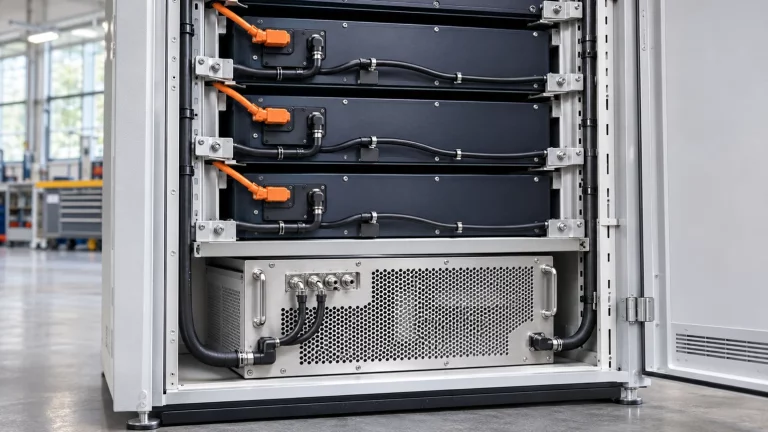

Hello everyone! Today, I want to discuss the crucial role of industrial refrigeration and air conditioning in the electronic components field. In this age of technological advancement, electronic components are essential, and industrial refrigeration and air conditioning serve as their protectors.
Firstly, these systems regulate and maintain the stable working temperature of electronic components. Electronic devices are susceptible to overheating, which
can impair their performance and even harm their components when exposed to high temperatures. Refrigeration air conditioning can effectively manage the temperature and ensure that electronic components operate within the appropriate temperature range, enhancing the stability and durability of the equipment.
Additionally, refrigeration systems help to minimize the power consumption of electronic devices. In a cold environment, the resistance of electronic components reduces and their conductivity increases, leading to lower power consumption. This results in both energy savings and improved overall equipment efficiency.
In addition, industrial refrigeration air conditioning reduces thermal stress on electronic components by dissipating the heat generated during operation. Over time, excessive heat can cause components to age and fail. The refrigeration system effectively slows down this aging process, thereby extending the service life of the equipment.
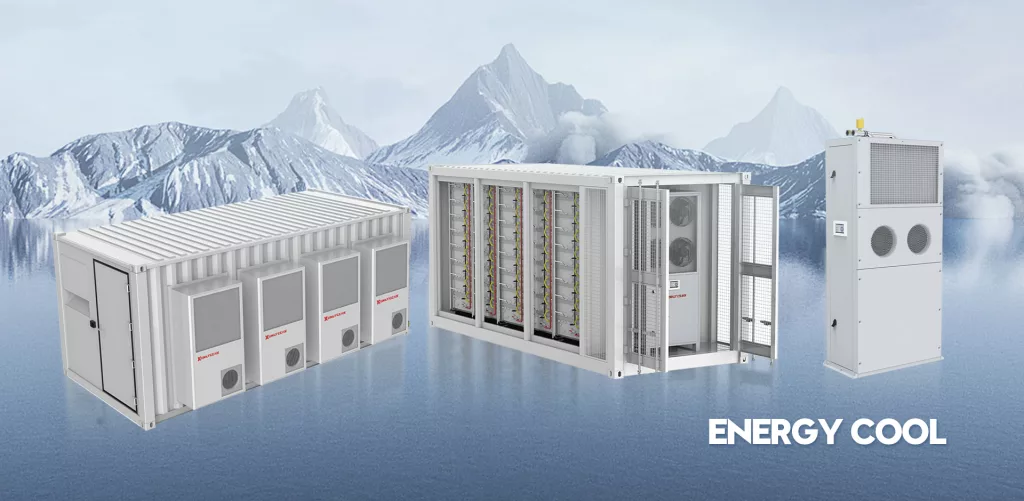
To summarize, industrial refrigeration and air conditioning is essential in the electronic components industry, providing a stable, efficient, and durable working environment for electronic equipment. We should appreciate these scientific and technological achievements and work together to advance science and technology.