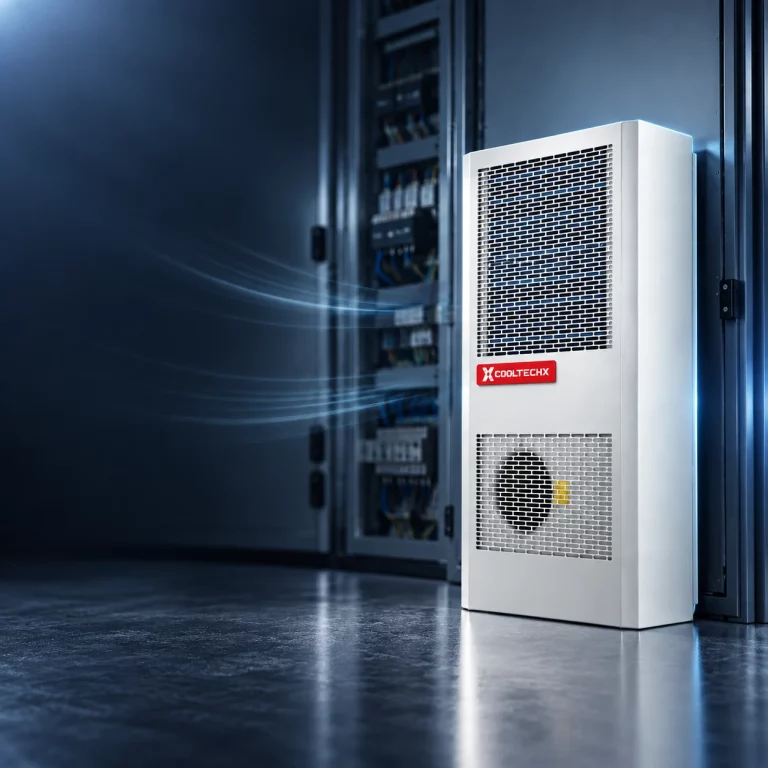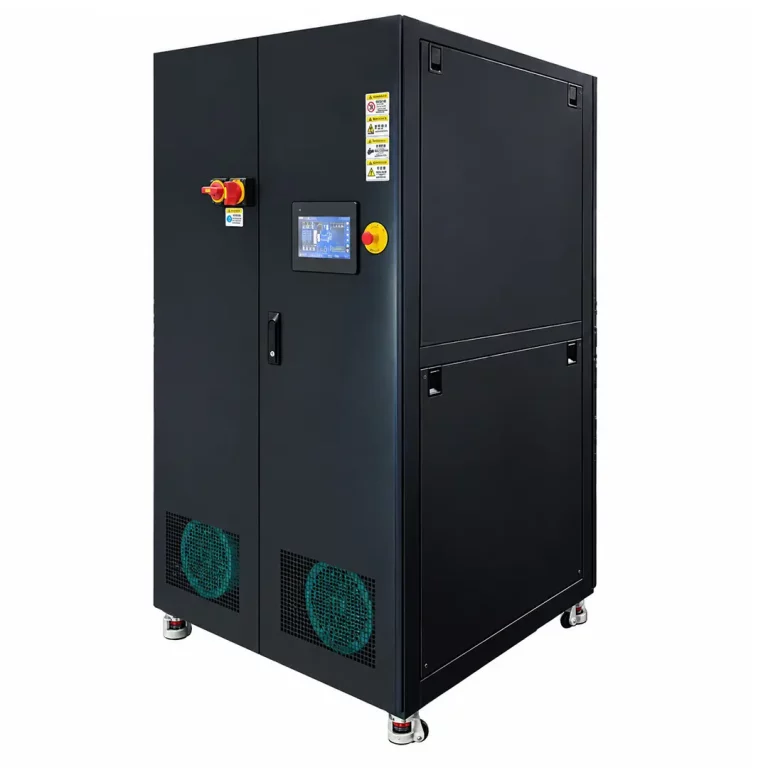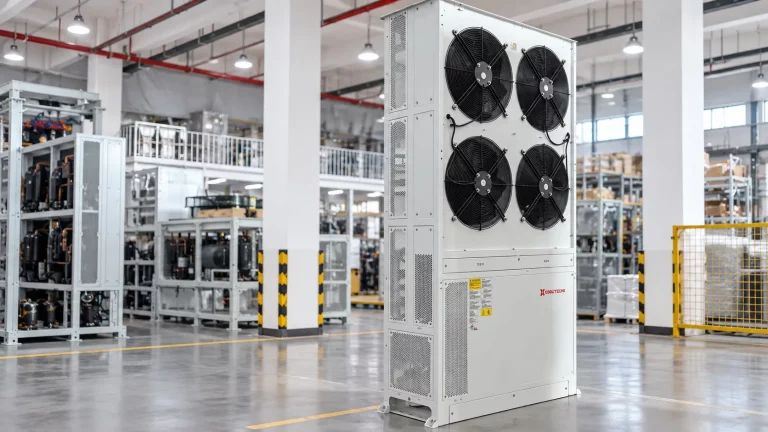

Effective cooling techniques are crucial in many industrial applications, especially under high-pressure conditions. High-pressure environments can increase the thermal load on equipment, necessitating specialized cooling solutions to ensure optimal operation and extend equipment lifespan.
- Challenges of High-Pressure Cooling:
Gases and liquids at high pressures have increased densities, which can affect heat exchange efficiency.
Equipment might be subjected to greater mechanical stresses, potentially leading to premature wear or damage.
High pressures can elevate the temperature at which liquids evaporate, impacting the efficiency of cooling systems.
- High-Pressure Cooling Technologies:
Efficient Heat Exchangers: For effective cooling under high-pressure conditions, heat exchangers must be designed to be more compact and efficient.
Enhanced Cooling Fluids: Utilizing specialized cooling fluids, such as high-pressure stable synthetic coolants, can enhance cooling efficiency.
Pressure Regulation Techniques: By adjusting the cooling system’s pressure, a consistent cooling effect can be maintained in high-pressure environments.
- Solutions:
Cooling Cycle Optimization: Enhancing cooling efficiency can be achieved by optimizing the cooling cycle, such as using multi-stage cooling or serial cooling.
High-Pressure Testing: Before deployment, cooling systems should undergo high-pressure testing to ensure their performance in actual working conditions.
Maintenance and Monitoring: Regular maintenance and monitoring of the cooling system are essential to ensure its stable operation under high-pressure conditions.
In conclusion, cooling technologies and solutions for high-pressure environments require consideration of various factors, including heat exchange efficiency, mechanical stresses on equipment, and the performance of cooling fluids. By adopting advanced technologies and solutions, equipment can be ensured to operate stably and efficiently under high-pressure conditions.