
🔋 Introduction: The Critical Role of Thermal Management
As the global energy landscape undergoes a dramatic transformation toward renewable sources and grid-scale storage solutions, the importance of effective thermal management has never been more critical. Battery Energy Storage Systems (BESS) represent a cornerstone of this energy transition, enabling utilities and commercial operators to store excess energy generated from solar and wind sources for use during peak demand periods.
However, the performance, safety, and longevity of these energy storage systems depend heavily on one often-overlooked factor: thermal management. Without proper cooling solutions, battery systems can suffer from thermal runaway, reduced capacity, shortened lifespans, and in extreme cases, safety hazards.
❄️ Why Liquid Cooling is the Future
Currently, there are two main types of battery storage systems: air-cooled and liquid-cooled. While air-cooled systems have been widely used, they require many fans and large heat dissipation channels, which take up valuable space and consume more energy.
Liquid-cooled energy storage systems are rapidly becoming the industry standard because they offer:
- ✅ Higher cooling efficiency – up to 3x better than air cooling
- ✅ Lower energy consumption – reducing operational costs
- ✅ Larger capacity – supporting bigger battery modules
- ✅ Compact design – saving valuable installation space
- ✅ Precise temperature control – ±1°C accuracy
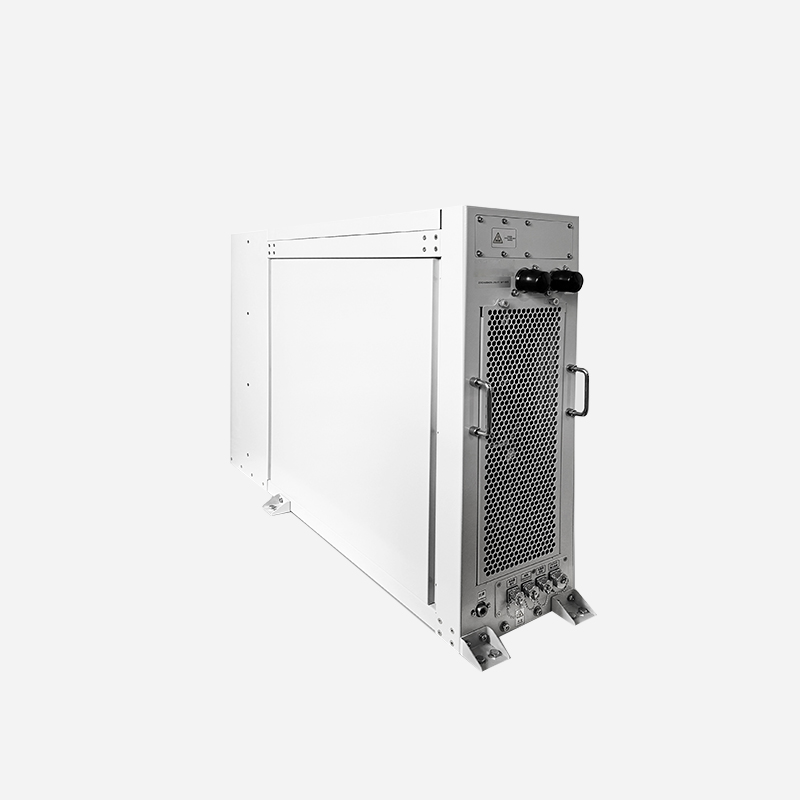
Advanced Liquid Cooling System for BESS Applications
🏗️ System Architecture & Design
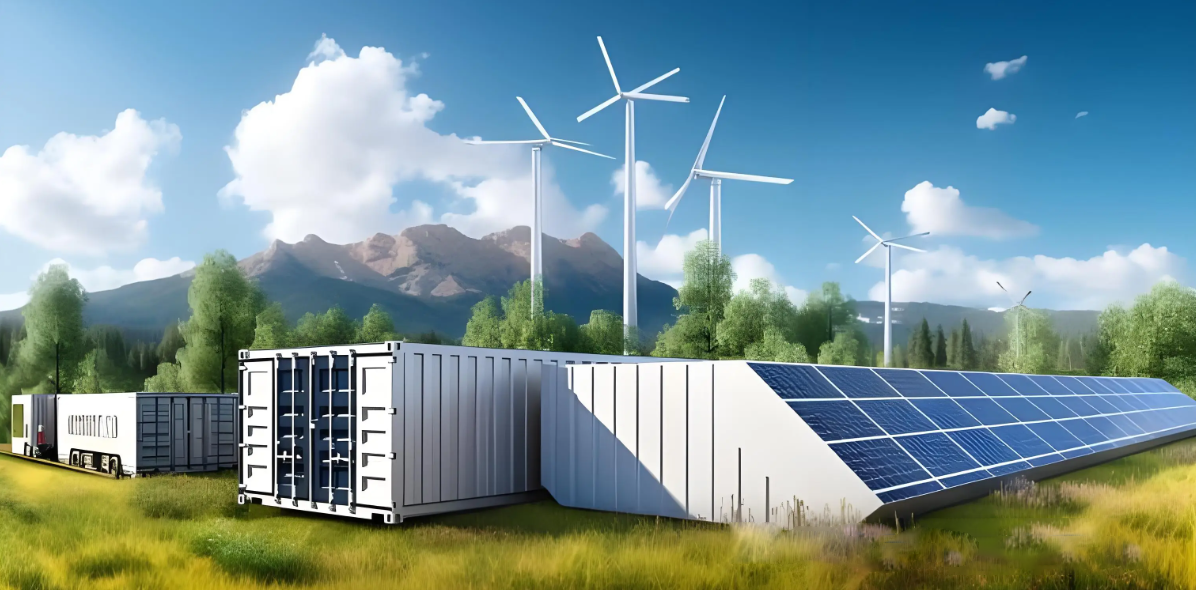
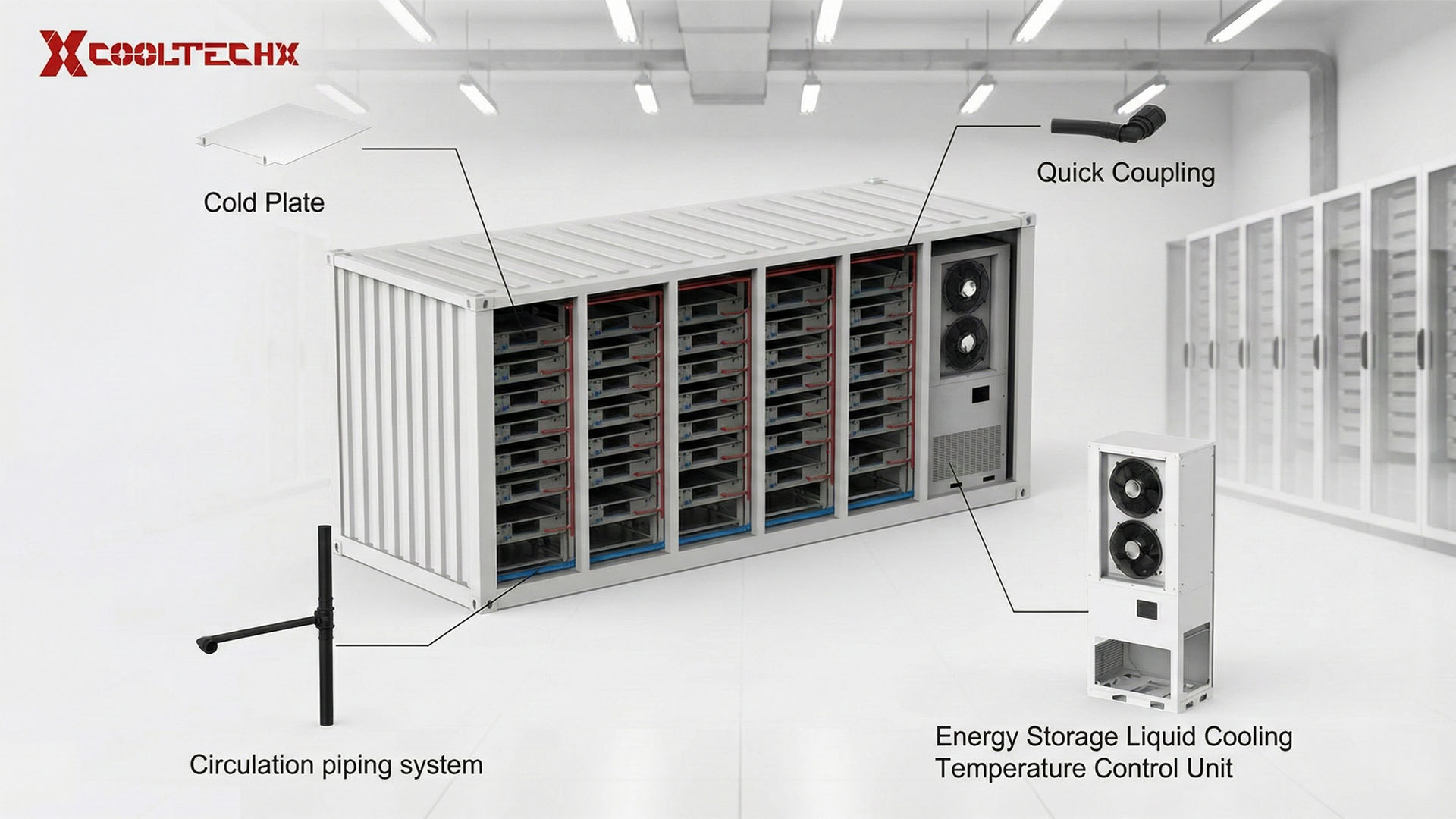
The liquid-cooled energy storage system integrates multiple critical components into one cohesive unit:
🔄 Key System Components
| Component | Function |
| 🔌 Energy Storage Converter | Converts DC to AC for grid integration |
| 📦 High-Voltage Control Box | System control and safety management |
| 💧 Water Cooling System | Efficient heat dissipation |
| 🔥 Fire Safety System | Ensures battery safety |
| 🔋 Liquid-Cooled Battery Packs | High-capacity energy storage |
🧠 BMS: The Brain of the System
The Battery Management System (BMS) plays a crucial role in ensuring that the batteries operate safely. Problems like overcharging, over-discharging, or temperature issues can shorten battery life and increase maintenance costs.
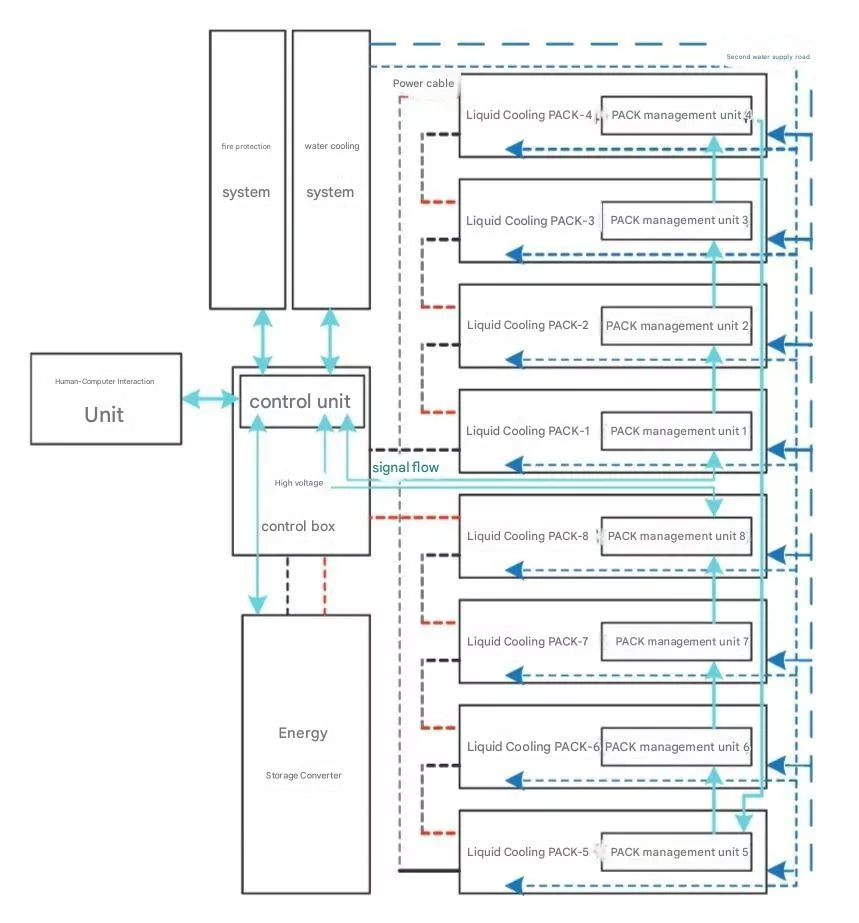
Two-Layer BMS Architecture
📊 BMS Design Layers
Layer 1: Battery Pack Management Unit
Each management unit monitors the voltage and temperature of 52 individual cells in real-time and manages balancing and temperature control based on system needs.
Layer 2: Control Unit
The control unit collects data on the voltage and temperature of each cell and the overall system. It calculates the State of Charge (SOC) and health of the battery pack.
🌍 Global Market Applications
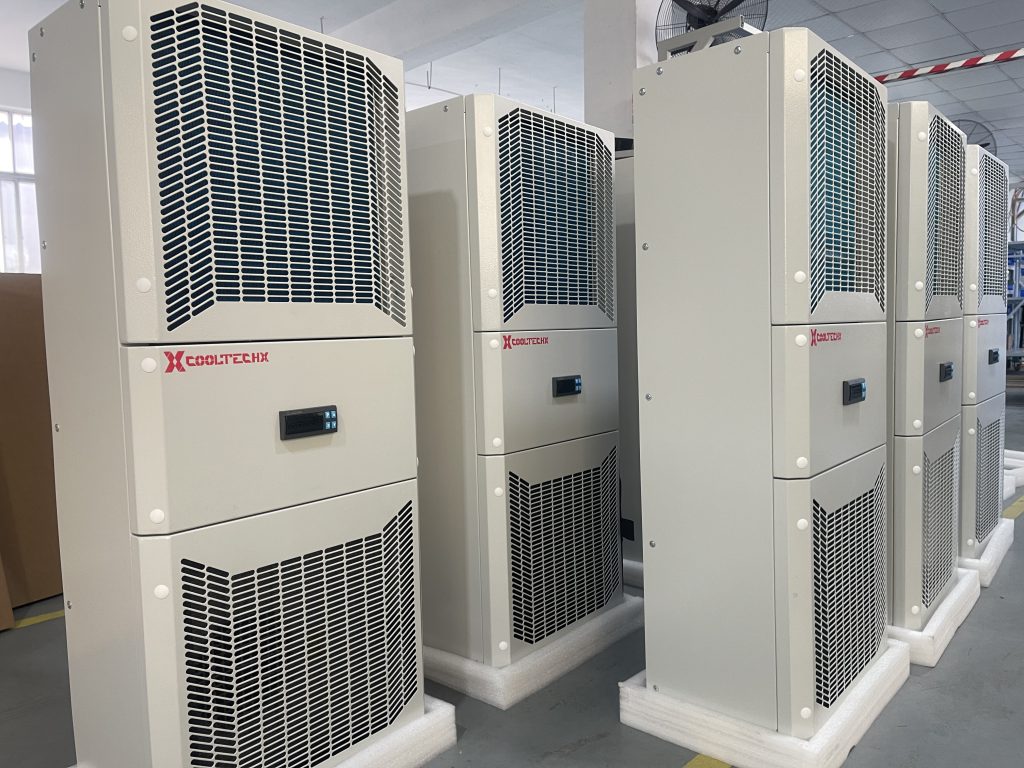
Liquid cooling technology is being deployed worldwide across diverse markets and applications. From grid-scale energy storage to commercial & industrial BESS, the technology is proving its value.
🇦🇺 Australia
Rapid growth in grid-scale battery storage with 1,526 MW installed capacity
85.64%
Year-over-year increase
🇩🇪 Germany
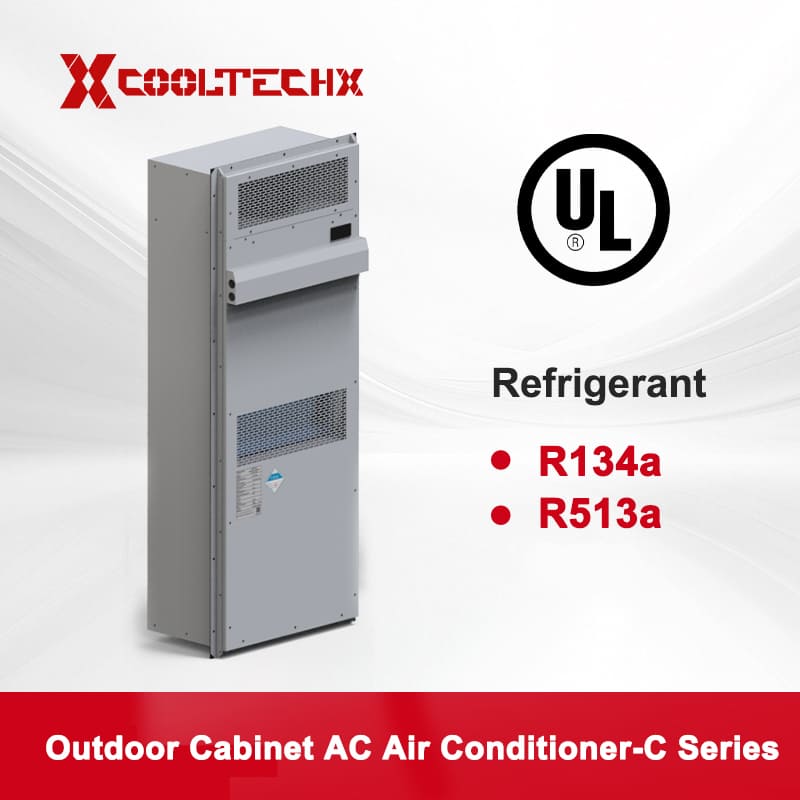
CE-certified industrial cabinet air conditioners for 261kWh C&I BESS
R-513A
Eco-friendly refrigerant
🇮🇳 India
High-temperature environment solutions for energy storage
3-60kW
Cooling capacity range
🇧🇭 Middle East
Reliable operation in extreme climates (Bahrain, Dubai, Saudi Arabia)
24/7
Continuous operation
⚡ Technical Specifications
📈 Performance Highlights
±1°C
Temperature Precision
3-60kW
Cooling Capacity
IP56
Protection Level
R-513A
Refrigerant
🎯 Key Benefits Summary
🔧 Enhanced Thermal Efficiency
Liquid cooling offers 3x better heat dissipation than traditional air cooling, ensuring optimal battery performance.
🔋 Extended Battery Life
Preventing overheating helps extend battery lifespan by up to 30%, reducing replacement and maintenance costs.
💰 Cost-Effective Operation
Improved thermal management contributes to lower energy consumption and operational costs in the long run.
🌱 Sustainability
Aligns with global sustainability efforts by improving overall energy efficiency of storage systems.
🚀 Conclusion
As energy storage systems continue to scale and evolve, thermal management technologies must advance in parallel. Liquid cooling represents the future of BESS thermal management, offering superior efficiency, safety, and reliability compared to traditional air cooling methods.
From compact 3kW units for commercial applications to comprehensive liquid cooling infrastructure for grid-scale deployments, effective thermal management enables the safe, efficient, and reliable operation of battery energy storage systems across diverse applications and environments.
Ready to Upgrade Your Energy Storage Cooling?
Contact our team to learn how our advanced liquid cooling solutions can optimize your BESS performance.
📧 [email protected] | 📱 +86 18663989752
Images courtesy of Cooltec Cooling Technology. For more information about our liquid cooling solutions, visit www.cooltechx.com